A Holistic Approach to Women’s Health; Exploring Acupuncture & Chinese Medicine
As women, we move through so many seasons of life-each bringing its own unique physical, hormonal, and emotional changes. From our menstrual cycles and fertility journeys to pregnancy, postpartum, and menopause, our bodies are constantly communicating with us. Yet so often we’re taught to accept discomfort, exhaustion, hormonal changes, or feeling “off” as simply part of womanhood.
But what if there were another way to listen to what our bodies are telling us?
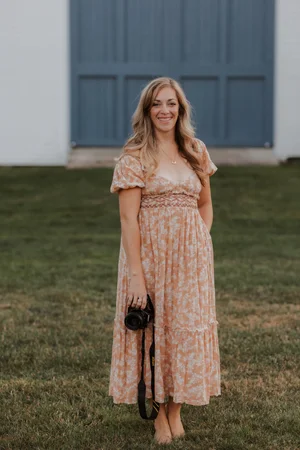
I have always been drawn to conversations that enourage women to look at their health with as a whole - not just a collection of symptoms to manage. That is one of the reasons I wanted to introduce you to my friend, an acupuncturist specializing in women’s health who holds a doctorate in Chinese medicine, Dr. Jennifer Thomas DAc,LAc,MSAOM! She is the lead practitioner at Eclipse Aupuncture Wellness Studio in Pulaski, NY.
Acupuncture and Traditional Chinese Medicine offer a different lens through which to understand the body, with an emphasis on balance, patterns, and supporting the bodies’ natural ability to heal and regulate. For many women, these practices can serve as a complementary approach alongside conventional medical care, particularly during times of hormonal transition and change.
Whether you’re navigating painful periods, fertility, pregnancy, postpartum recovery, stress, or perimenopause I hope this conversation encourages you to become more curious about your health and consider the many different tools that may support you along the way.
I asked Dr. Jen some questions I hear women ask most often and some I wish more women knew to ask!
Here’s what she had to say-
1. How does Oriental medicine view women’s health differently from the western
medicine?
The biggest difference between oriental medicine and western medicine is that
oriental medicine always views the body as a whole, we never would just look at the
reproductive organs and hormones and not think about the whole body and what
other symptoms might be going on and related to the menstrual cycle. We also differ
in the fact that we try to get to the root of the problem and how to balance out that
cause instead of just masking a symptom. I personally feel that birth control and
HRT is sometimes used to quickly to help alleviate symptoms without taking a step
back and looking at the bigger picture of what is happening within the body and even
in lifestyle choices and see if adjustments can be made to help balance the body
before jumping into hormonal treatments.
2. Can acupuncture and Oriental medicine work along side western medicine, and how
do you approach it?
Yes! Acupuncture can always be used in conjunction with western medicine. We would
take into consideration medications, including birth control, HRT, fertility medicines and
how they would alter the cycle and body. We could then take that information and help
with any side effects that those medications can cause. For example, some women are
put on anti-histamines when undergoing fertility treatments, and while this is beneficial
in some instances, those medications can be viewed as “drying” in Chinese medicine.
We would then focus our treatment on balancing this out so the patient does not
experience “dry” symptoms. We can also work with a patient nutrition to help balance
out any nutritional deficiencies that some medications, like birth control for example, can
cause.
If you are seeing an acupuncturist during fertility treatments, we are trained to use
certain protocols during different stages of these treatments to help improve the
success of the treatments.
3. What does an initial visit look like?
At the initial visit, the acupuncturist will do a whole-body intake. This will include talking
about digestion, sleep, pain, temperature, skin, emotional health/stress, the menstrual
cycle, etc. We will be sure to deep dive into the menstrual cycle and talk about all
phases of the cycle, what changes occur during the cycle, what your period is like
(color, time, length, clots, pain, etc), and talk about ovulation. If the patient is tracking
ovulation, we will also look at that data. After a full intake, the acupuncturist will also ask to
take your pulse and look at your tongue, these are traditional methods used to get a better
idea of what is happening internally. After the acupuncturist has gathered all this information, they
will determine a Chinese Medicine diagnosis and develop an acupuncture “perscription”
off of that. We would then needle that patient and allow them to rest and depending on the patient,
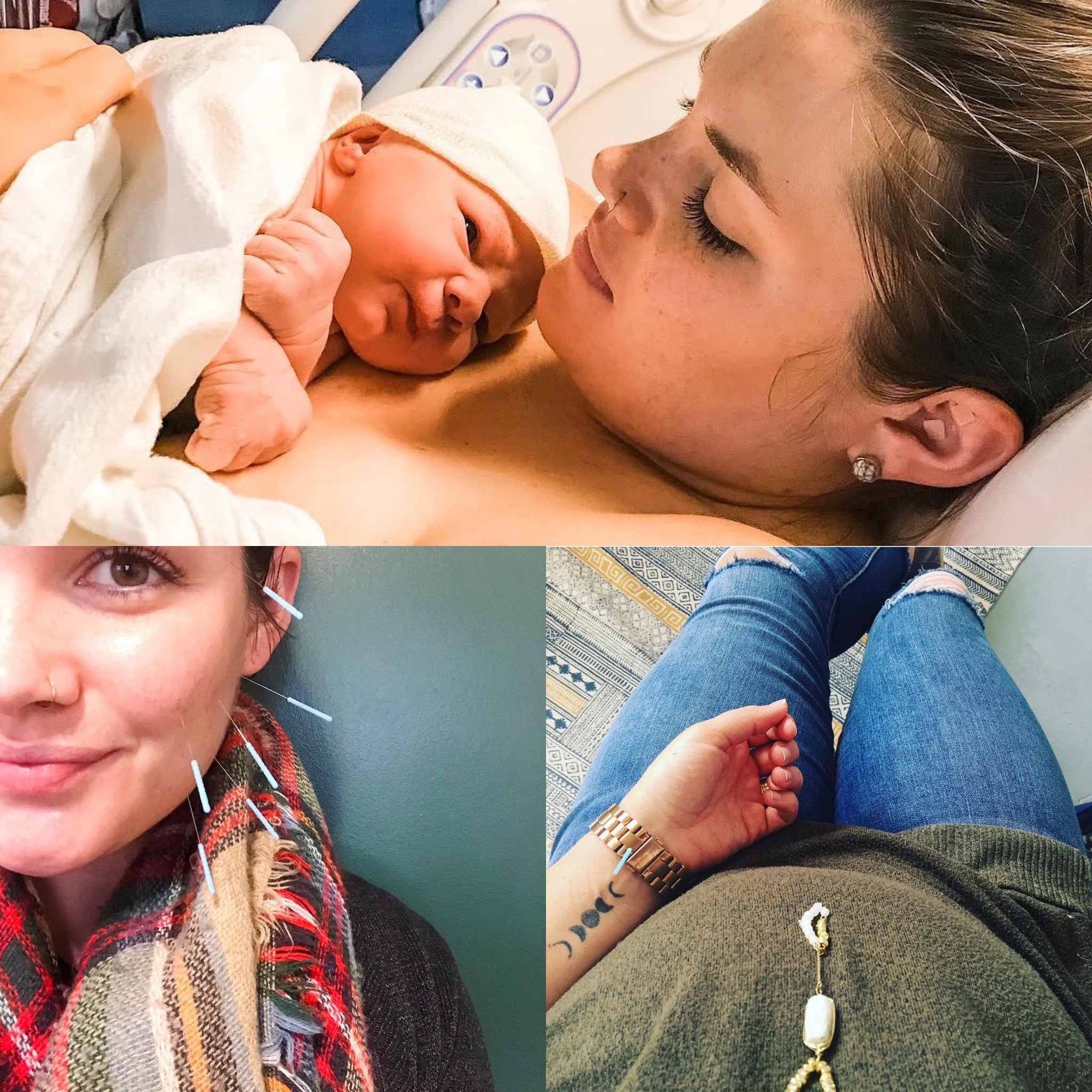
possibly use other therapies as well including cupping, tuina, or moxibustion. Typically, a patient coming in
for women’s health will come in weekly for treatments to start with.
4.What are your clients most surprised about after visiting you and your practice?
Clients are most surprised about two main things. First, being how in-depth the intake is. We talk about
EVERYTHING and your acupuncturist should always give you the space and environment to feel comfortable
talking about what is going on. When a patient comes in for treatment we are no taller focused on their primary
complaint/condition but instead want to learn about the whole body, physical and psyco-emotional, because
we believe that we are always treating the whole body and not just the symptoms.
5.How does acupuncture help the bodies stress response?
Acupuncture is able to help move the body’s nervous system from sympathetic (fight or flight) state to the parasympathetic
(rest and digest) state. This is why so many patients feel sleepy or relaxed during a treatment and even after they leave.
We always consider the pyscho emotional state of a patient and can use specific points to help calm the body down so that
it can enter a state where it can begin to heal and restore.
6.For women struggling with fertility or would like to become pregnant, how can acupuncture play a role on this journey?
Acupuncture is a great tool to add if a woman is struggling with infertility or planning to try to get pregnant in the future. Acupuncture has been proven to help regulate hormones, improve egg quality, and help thicken the uterine lining. Acupuncture can be started at any time and can help make sure a patient’s cycle is regular, periods are normal and not too heavy/light or painful, and that a patient is ovulating and under healthy conditions. A patient could also start acupuncture while they are already undergoing fertility treatments to help improve the outcomes. Fertility journeys can be really stressful, and acupuncture can also help with the stress and emotional toll that infertility can cause.
7. How can Oriental medicine help women recover through the postpartum phase?
Oriental medicine views the postpartum phase as a time to recover and restore what has been lost. Traditionally, a woman would spend the first 40 days in bed, being taken care of and eating a specific, highly nourishing diet. Obviously, times are different, but oriental medicine considers how much qi (energy) and blood was lost during the 40 weeks of growing a baby, during labor and delivery, and postpartum if a mom decides to breast feed. Acupuncture and Chinese herbs/nutrition are used to help supplement lost qi and blood, ensure that bleeding has stopped, calm the mind, start to regulate hormones, and can even be used to help with breastmilk production.
8. What are some misconceptions people have about acupuncture?
First, there is a misconception that acupuncture is painful. Acupuncture uses very fine, solid needles that are quickly inserted into specific points. There is typically only a slight tap feeling and occasionally some heaviness at the point but very rarely is there any actual pain.
Secondly many people still believe that acupuncture is not evidence based. Acupuncture and oriental medicine have been being used around the world for thousands of years. More recently, acupuncture and herbal medicine are being studied in high quality, peer-reviewed research studies. These studies show how the body and brain respond to acupuncture and how it is effective at treating different conditions.
9. How does acupuncture help support the ever changing hormones women experience throughout their life?
Chinese medicine views the life of a woman in stages of 7 years, and with every 7 years (give or take) there are changes that occur and shifts in the balance of the body. With this information we are able to understand what should be happening in the body and how we can adjust treatments to help a woman come back to balance. For example, when a woman starts getting their period for the first time, we might see new signs of anemia, acne or irritability. According to Chinese medicine we would see this as needing to support blood production and also focus on moving the qi of the body. The balance can also change when a woman starts to enter perimenopause and start to experience hot flashes, we then could add more heat clearing points or herbs to the treatments. We even take into account the changes in hormones just during a menstrual cycle and how to adjust treatment to help support these changes.
10. What would you like women to know about traditional medicine and acupuncture?
I would like women to know that they do not need to suffer with their cycle, hormones or fertility journey and that there are other options to help support them. We are working with altering hormones, and it can take time to see major changes but if a patient is committed to coming in for treatments and possibly adjusting their lifestyle, they can find relief and help. I would also love for them to know that most of the time all of the symptoms that you experience are probably related when viewed from a Chinese medicine perspective and you might be surprised how good you can actually feel when you are able to balance your body.
Thank you Dr. Jen! If you are interested in learning more from Dr. Jennifer Thomas you can find her on instagram, @eclipseacu.wellness
Dr. Jen can be reached by email at eclipseacupuncture@gmail.com